
Latest Articles

Why Miitomo Runs Better on PCs and What Makes the Difference

Leave a comment

Miitomo started life as Nintendo’s oddball social app, part avatar playground and part question game, built for phones that were never meant to sit still. Run miitomo for pc, though, and the app suddenly feels like it drank a triple espresso. Menus snap faster, animations calm down, and crashes quietly exit the room. This isn’t magic. It’s hardware math mixed with smart software layers. Phones are multitaskers by survival. PCs are multitaskers by choice. That difference matters more than most people expect.

Desktop Hardware Gives Miitomo Room to Breathe

PCs bring serious muscle compared to mobile chips. Even an average laptop CPU can juggle Miitomo’s logic, animations, and background processes without breaking a sweat. Phones throttle performance to save battery, but desktops stay plugged in and fearless. That alone smooths out stutters during avatar reactions. More cores also help. Emulators split workloads across threads, something mobile processors handle less gracefully. The result is steadier frame pacing and fewer hiccups when the app loads dialogue or animations. Miitomo feels relaxed instead of rushed. PC memory setups also help stability. Phones aggressively reclaim RAM when apps misbehave or linger too long. On a desktop, allocated memory stays put. Assets load once and hang around, cutting down reload cycles that usually cause slowdowns.

Emulator Architecture Changes Everything

Miitomo doesn’t magically become a PC app. It runs inside an Android emulator, which acts like a digital translator. This layer lets the app access desktop resources in ways phones restrict. CPU time becomes predictable instead of contested. Emulators also allow system-level tweaks. Users can define virtual device profiles with stronger specs than most phones ever ship with. More virtual RAM, better graphics acceleration, and cleaner storage access add up quickly. Each tweak shaves off friction. Another bonus is background isolation. Emulators don’t receive phone calls, push alerts, or carrier updates. Miitomo runs without interruption. That quiet environment keeps performance consistent over long sessions.

Graphics Processing Works in Your Favor

Phones are built to sip power, not flex visuals. PCs don’t have that restraint. Even integrated graphics chips outperform many mobile GPUs in sustained workloads. Miitomo’s colorful avatars and expressive animations benefit from that headroom. Higher screen resolutions also help readability. Text sharpens. Edges smooth out. Character movements feel less jittery, especially during transitions. The app suddenly looks like it belongs on a bigger screen. Driver updates play a role, too. Desktop GPUs receive frequent updates focused on stability and compatibility. These updates reduce visual glitches that sometimes plague mobile builds.

Optimization Settings Seal the Deal

Performance gains don’t stop at hardware. Emulator settings shape results dramatically. Allocating the right CPU cores and memory prevents bottlenecks before they form. Small adjustments make noticeable differences. Graphics modes matter too. Switching between software and hardware rendering changes how smoothly Miitomo draws frames. Testing a few options often reveals a sweet spot for each system. No guesswork required. Closing background apps helps as well. Desktops multitask endlessly, but focus still matters. Free resources lead to steadier performance. Miitomo rewards attention with consistency.

Miitomo runs better on PCs because desktops play by different rules. Stronger hardware, flexible emulation, better graphics handling, and sharper input all stack the deck in its favor. The app stops fighting limitations and starts behaving like it always wanted to. Sometimes, the right platform unlocks the fun that was already there.…

Don’t Fall Into False Ads: Check Out These Best Smartphones for Creating High-Quality TikTok Videos

video Leave a comment

If you’re serious about TikTok and tired of blurry clips or shaky footage, your choice of phone actually matters. The right device can feel like a mini production studio in your pocket. That’s why creators compare gear obsessively and sometimes even dive into buy tiktok comments reddit chats alongside camera specs when weighing community buzz against real-world needs. Great visuals help your content shine before anything else. Phones today shoot better video than dedicated cameras did a few years back. But not every device is equal for vertical content, slow-motion, or fast edits. Below are the standout phones that handle TikTok workflows with minimal fuss.

Google Pixel 10 Pro / Pro XL

Google’s Pixel 10 Pro lineup leans heavily on smart processing rather than just raw hardware. Powered by the Tensor G5, these phones use AI-driven features to actively assist with framing, lighting balance, and on-the-fly adjustments while you record. Its 48MP Pro Res Zoom lens can push extreme zoom levels up to 100x while keeping footage surprisingly steady and clear. Software enhancements like HDR10+ and cinematic blur make everyday clips feel premium without extra effort. Magnetic accessory support lets you attach grips and wireless chargers cleanly. This phone feels like it understands content creation instead of just recording it.

iPhone 17 Pro / Pro Max

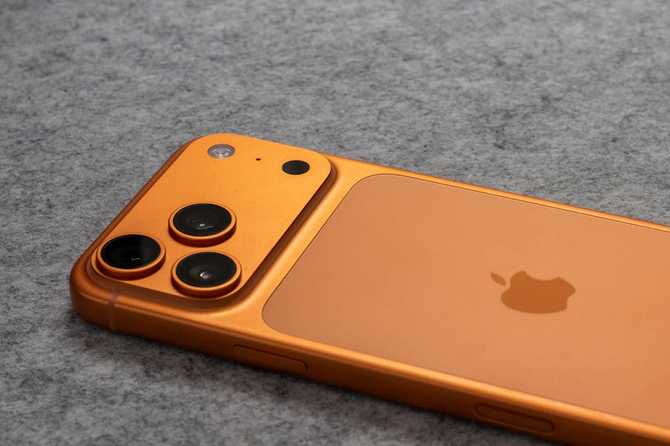
Apple’s iPhone 17 Pro series tops many creator wish lists in 2025. Both models come with a triple 48MP camera system that captures crisp, color-rich clips. The front camera has an 18MP square sensor that helps with wide, cinematic selfie videos. Apple’s A19 Pro chip and 16-core Neural Engine make 4K footage breeze through smooth editing. What really sets this pair apart is Dual Capture. You can record front and back cameras simultaneously, which is clutch for reaction videos and multi-angle stories. Up to 2TB of storage means you can shoot large files without constant offloading. Creators who shoot daily will appreciate how these phones stay responsive when pressure runs high.

Samsung Galaxy S25 Ultra

For creators who treat mobile video like cinematography, the Galaxy S25 Ultra is hard to ignore. Its 200MP main sensor captures detail that stays sharp even after cropping. A powerful 50MP ultrawide helps indoors, and optical zoom lets you frame shots creatively without awkward jumps. Samsung’s ProScaler and Galaxy Log tools give you deeper control over color and style. Under the hood, the Snapdragon 8 Elite chip and advanced cooling let you record long sessions without slowdown. A durable 5000mAh battery means you won’t cut shoots short. This phone leans into flexibility for creators who switch scenes mid-day or film outdoors.

Xiaomi 15 Ultra

If you want close to pro-camera control in a phone, the Xiaomi 15 Ultra is worth a hard look. It pairs a Leica-branded quad-camera system with a 1-inch primary sensor and a 200MP telephoto lens that delivers crisp results in varied conditions. You get 4K 120fps recording and 10-bit Log video for color grading without a desktop. Its Photography Kit Edition — a grip with trigger and filter ring — feels like real creative gear. With HyperOS managing heavy files smoothly, editing is less painful and more playful. This phone suits folks who treat TikTok videos with the same care as mini films.

Picking a phone for TikTok isn’t about specs on paper. It’s about how your ideas translate into real clips without stress. These devices handle tough shots, smooth edits, and endless uploads. That means less fuss and more room for creativity.…

How Technology Is Transforming Custom Printing Through DTF Printing Services

Leave a comment

The world of custom apparel printing has undergone a major transformation in recent years. Thanks to technological advances, designs that were once costly and time-consuming to produce can now be printed quickly, efficiently, and with stunning quality. Among these innovations, DTF (direct-to-film) printing services have become a game-changer, offering flexibility, vibrant results, and the ability to scale production without sacrificing creativity.

Advanced DTF Printing Technology

DTF printing uses cutting-edge digital technology to produce detailed designs on a special film that can be heat-pressed onto a variety of fabrics. Unlike older printing methods, DTF allows for full-color designs with gradients, fine lines, and complex graphics without the need for multiple screens or layers. This technology has made high-quality, on-demand printing more accessible than ever before.

Benefits of a Custom DTF Printing Service

printing

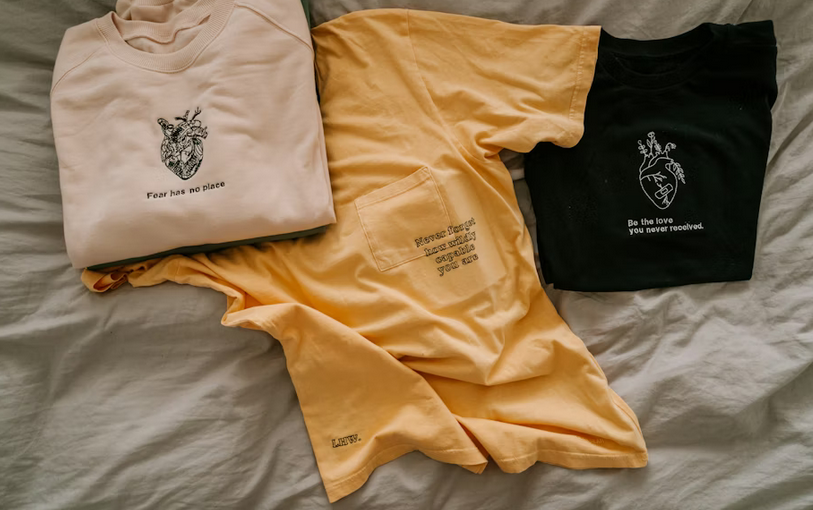
Working with a custom dtf printing service can take your apparel projects to the next level. These services allow businesses and designers to focus on creativity while experts handle precise color matching, adhesive application, and heat transfer techniques. By leveraging specialized equipment and professional expertise, clients get consistent, vibrant prints that hold up through repeated washing and daily wear.

Faster Turnaround and on-Demand Production

One of the biggest advantages of DTF printing services is speed. Transfers can be produced ahead of time and stored until they are needed, allowing for quick application as orders come in. This on-demand approach reduces production bottlenecks and helps businesses meet tight deadlines without compromising quality. Customers get faster deliveries, and brands can handle custom requests more efficiently.

Compatibility Across Various Fabrics

custom tshirts

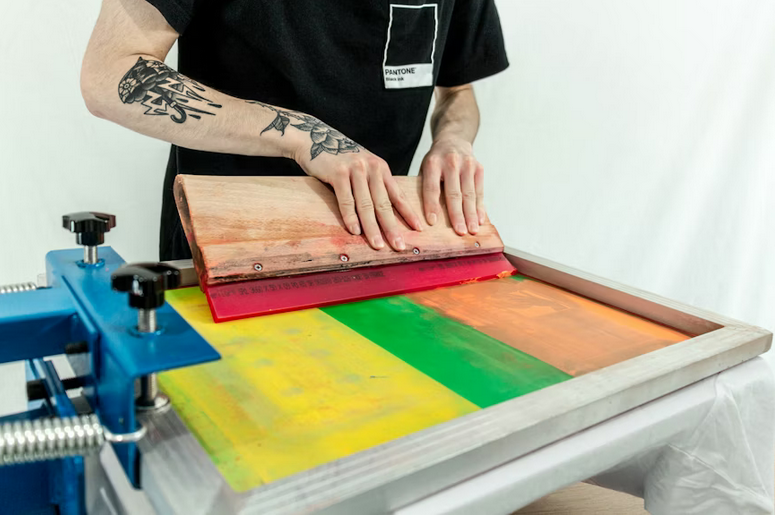
DTF printing works on a wide variety of materials, including cotton, polyester, and blended fabrics. Unlike traditional methods like screen printing or sublimation, which have strict material or color limitations, DTF transfers can be applied to light and dark garments alike. This versatility opens up opportunities for more creative designs and a broader product lineup.

Quality That Lasts

Another key factor driving DTF adoption is durability. The prints adhere strongly to fabric, resisting peeling or cracking over time. Colors remain bold and details crisp even after multiple washes, making the finished product both visually striking and practical for everyday use. This combination of longevity and aesthetics appeals to both small businesses and larger apparel brands seeking consistent results.

Expansion of Creative Possibilities

creation

With DTF printing technology, designers are no longer limited by the constraints of older methods. Intricate artwork, full-color illustrations, and even photographic prints can be applied to clothing with ease. This freedom encourages innovation and allows brands to develop unique, eye-catching products that stand out in a crowded market.

Cost-Effective Solutions for Growing Businesses

DTF printing services also offer cost advantages. Since transfers can be prepared in advance and small runs are feasible, businesses can experiment with new designs without large upfront investments. This efficiency reduces waste, saves on labor, and makes it easier for smaller brands to compete in a market that demands high-quality, personalized apparel.

DTF printing services have reshaped the custom printing landscape by combining advanced technology, vibrant quality, and practical versatility. Whether you’re a small business testing new designs or a large brand scaling production, DTF offers an efficient and reliable solution. As the technology continues to evolve, its impact on custom apparel printing will only grow, giving creators more tools to bring their visions to life.…

Is Your Wi-Fi Safe? The 1-Minute Security Check Everyone Should Do

Leave a comment

Before we jump into the tech talk, let’s clear something up: most people assume their WiFi is safe because “it’s been fine so far.” I’ve heard that line many times, usually right before someone realizes a neighbor has been mooching off their internet for months. The good news? You can tighten things up fast. One minute is all you need to spot trouble and fix the basics.

Check Who’s Actually on Your Network

Start with the simplest step: look at the list of devices connected to your WiFi. Almost every router shows this with a quick glance at its admin page. You might recognize your phone, laptop, and TV right away. But if you see an odd device or something that reads like “Unknown_54B2” — that’s your cue to dig deeper. Many people skip this because it feels too techy, but it’s way simpler than it sounds. Think of it like checking your front door. You wouldn’t leave it wide open, right? Same idea here. An unexpected device often signals someone hitching a free ride or, worse, snooping on your traffic.

Change Your WiFi Password More Often Than You Think

A lot of households use the same password for years. Sometimes it’s the one printed on the router. Sometimes it’s the family dog’s name with a couple of numbers. Either way, stale passwords make your network fragile. Updating them takes seconds and gives intruders a swift eviction notice. Keep the new password strong, but don’t overthink it. Mix up letters, symbols, and numbers in a way you’ll still remember later. Think of it as swapping an old deadbolt for a sturdier one. It doesn’t have to be masterpiece-level security — just solid enough to shut out uninvited guests.

Turn Off Features You Don’t Actually Use

Your router probably has features you’ve never touched. Guest networks, remote access, WPS, and random settings you’ve never clicked — all potential entry points if left open. The trick is to shut down anything that doesn’t serve you. It’s like closing windows you forgot you left open during a storm. Don’t be afraid to explore those settings. You’re not going to break anything by turning off something you don’t need. If you see an option that looks odd or outdated, look it up. A quick search can tell you if it helps or harms your security. Most of the time, less is more.

Update Your Router Firmware Before Problems Start

wifi router

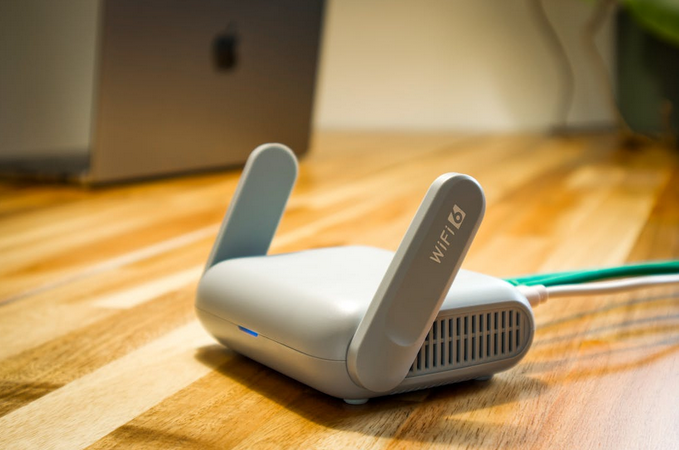
Routers age quickly. Not like bread-on-the-counter quick, but pretty close. Manufacturers frequently release updates that fix weak spots. If you ignore them, your router stays stuck with the same old vulnerabilities. A simple update can close holes you didn’t even know existed. Some routers update automatically, but many still require manual action. It’s worth spending a minute checking. Think of firmware updates like oil changes. You may not notice the benefit right away, but skipping them leads to trouble down the road.

If you’ve made it this far, you’re already ahead of most households. WiFi security isn’t mysterious or complicated — it’s a series of quick checks that add up to real protection. A minute today saves you headaches later, and your network will thank you for giving it some attention.…

What Really Happens to Your Old Data After You Delete Apps? (Shocking Truth)

login data Leave a comment

Ever deleted an app and felt instantly lighter, like you just cleaned a messy corner of your digital life? I hate to break it to you, but that little rush of victory might be premature. Removing an app doesn’t always erase the footprints it leaves behind. Let’s unpack this quietly alarming situation.

Why Deleting an App Doesn’t Mean Deleting Your Data

deleting app

See, some of those digital crumbs hang around longer than an uninvited guest who “just stopped by.” But of course, most people assume tapping “delete” is a magic wand. The app vanishes, so the information must vanish too. But many apps stash data in multiple areas—your phone, cloud accounts, or the company’s own servers. They don’t always give you a neat exit plan. That’s where things get tricky. The shock is realizing you may have forgotten the app, yet it hasn’t forgotten you. Even after you’ve hit uninstall, cached files might still sit on your device. Some apps also keep records tied to your login. And unless you manually take action, those scraps stick around. It’s similar to cleaning your closet but ignoring the boxes under your bed. You think the job’s done, but the clutter still exists—just out of sight.

The Hidden Places Your Data Might Still Be Hiding

One of the biggest hiding spots is leftover storage on your device. Many apps create small folders that don’t disappear with the uninstall. They sit quietly, holding anything from images to preference files. Not harmful on their own, but inconvenient when you want a cleaner phone. These remnants can also reveal more about your habits than you realize. Another place is cloud storage linked to your account. Apps love to sync. If you skipped reading the fine print, you may be giving apps permission to stash backups elsewhere. Deleting the app doesn’t automatically erase those. See, your stuff is still there, just somewhere you’re not looking.

How Companies Keep Your Data Even After the App Is Gone

data input

Many apps store user information on their company servers. And removing the app doesn’t trigger an instant purge. Companies may keep data for customer service, analytics, or legal reasons. Some keep it longer than you’d ever expect. It’s all tucked into privacy policies people usually scroll past. Even worse, some companies require a separate step to permanently delete your account. If you don’t do it, your profile may simply “sleep.” Everything tied to it remains intact. Think of it like canceling a gym membership—you might think you’re free, but the paperwork says otherwise.

What You Can Do Right Now to Protect Yourself

First, check for an in-app account deletion option before uninstalling anything. Some apps hide this feature, so you may need to poke around a bit. Deleting your account usually wipes the stored data on the company side. It’s a crucial move many people skip without realizing it. Treat it as your digital goodbye letter. Second, clear the cached files on your device. Most phones offer a simple tool to wipe leftover folders. It only takes seconds, but the difference is huge. You can also review cloud backups to remove any traces left behind. It’s a quick cleanup routine that saves you future headaches.

That’s why being intentional with deletion steps is important. A small action today prevents surprises later. Plus, taking back control of your digital space just feels good. It’s the tech equivalent of airing out a room that’s been closed too long.…