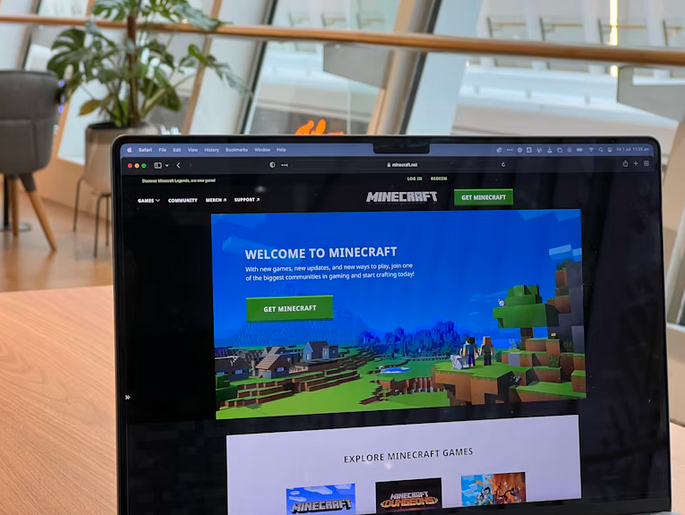
Minecraft has gone through countless updates, trends, and shifts in player culture, but one thing that never really disappears is the love for classic mods. Among them, the Aether stands out as one of the most iconic creations in the game’s history. Even years after its initial popularity peak, it continues to spark curiosity, inspire new modders, and bring older players back for another look. There’s something about its dreamy sky dimension and sense of discovery that still feels fresh in a game known for endless creativity.
Why The Aether Still Feels Fresh Today
The Aether mod originally captured players’ imaginations by offering a heavenly dimension that felt like the complete opposite of the Nether. Floating islands, glowing creatures, and serene environments made it feel almost magical. Even today, it holds up because it focuses less on complexity and more on wonder. In a gaming world filled with high-intensity mechanics, The Aether’s calm exploration still resonates with players looking for something different and nostalgic.
Community Perspectives and Early Reception
Over the years, The Aether has been analyzed and discussed in many gaming communities, with opinions often shaped by how groundbreaking it felt at the time. One interesting perspective comes from Kristian Moller’s review of the Aether sequel, where the evolution of the mod is explored through a more modern lens, highlighting how expectations for Minecraft mods have changed while still respecting the original creativity that made it special. These kinds of reflections show how deeply the mod is tied to Minecraft’s broader cultural history, not just its gameplay mechanics.
The Revival of Modding Culture in Minecraft
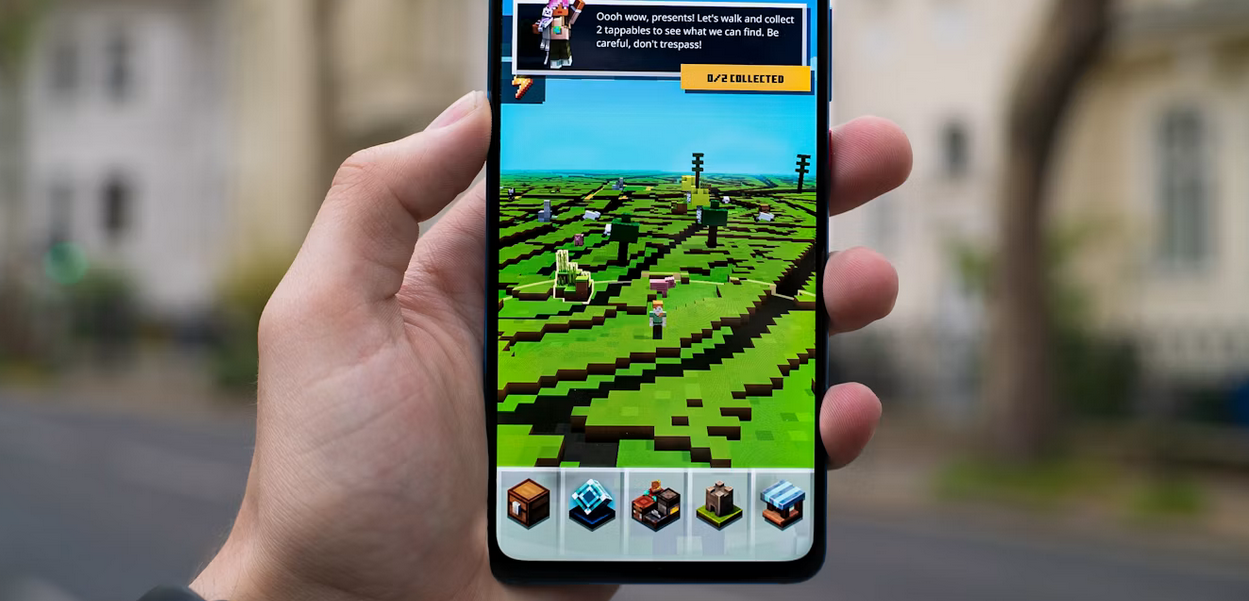
Minecraft modding never truly died, but it definitely cycles through waves of popularity. Recently, there’s been a noticeable return to older, foundational mods as players seek authenticity and simpler forms of creativity. The Aether often sits at the center of these conversations because it represents a time when modding felt experimental and community-driven rather than polished and commercialized. This revival isn’t just nostalgia—it’s also a rediscovery of creative freedom.
How Modern Players Rediscover Old Mods
New generations of players often encounter The Aether through YouTube retrospectives, mod showcases, or curated modpacks. What surprises many of them is how well the experience still holds up despite its age. Even without modern graphical enhancements or advanced systems, the core design feels intentional and immersive. For many, it becomes a gateway into understanding how Minecraft’s modding scene evolved.
YouTube, Streams, and the Power of Nostalgia
Content creators have played a huge role in keeping The Aether relevant. Whether it’s revisiting old builds or trying updated versions of the mod, streamers often highlight how emotionally connected players are to it. Watching someone experience The Aether for the first time or return after years away often creates a shared sense of nostalgia that spreads quickly across communities. This cycle of rediscovery keeps the mod alive far beyond its original release period.
What Makes The Aether Stand Out from Other Dimension Mods
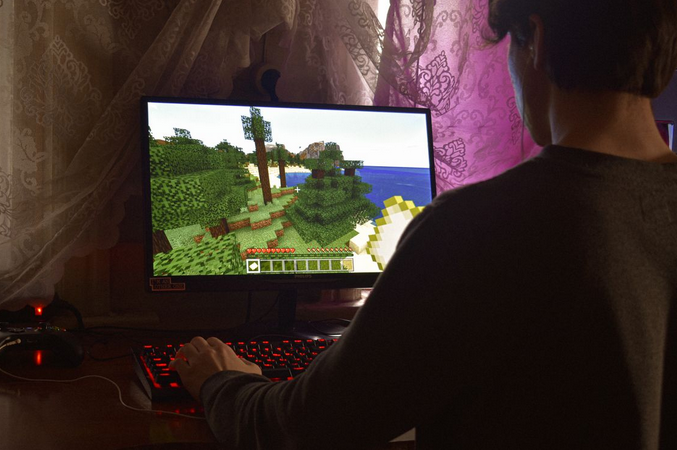
Unlike darker or more survival-focused dimensions like the Nether, The Aether leaned heavily into beauty and exploration. That contrast alone made it memorable, but its real strength lies in how it encouraged curiosity. Players weren’t just fighting to survive—they were exploring to discover. This shift in tone helped set a precedent for many future dimension-based mods, influencing how developers approached world design in Minecraft.
Why New Generations Keep Returning to Classic Mods
There’s a reason classic mods never fully fade away. They represent a simpler era of Minecraft, where experimentation mattered more than optimization. The Aether, in particular, continues to inspire because it blends imagination with accessibility. New players see it as something fresh, while older players see it as a memory they can step back into. That overlap is what keeps it relevant across generations.
The Aether’s legacy proves that great ideas in gaming don’t lose their impact just because time passes. Instead, they evolve, inspire discussion, and find new audiences in unexpected ways. As Minecraft continues to grow, classic mods like The Aether remind players where much of that creativity began. Its influence isn’t just about nostalgia—it’s about the enduring power of imagination in a game that never stops expanding.
…

 AI agents are designed to process massive amounts of data quickly and efficiently. They can analyze user behavior, predict trends, and adjust campaigns faster than any human team could. For businesses trying to understand




 SEO might sound like a buzzword, but it’s actually one of the most important factors for getting your site noticed. If you’re not optimizing your website for search engines, you’re basically hiding it from Google and other search engines. You could have the best content out there, but if you’re not using the right keywords, meta descriptions, and alt tags, your website won’t rank high enough to be seen. Think of it like a billboard in the middle of the desert. Sure, it’s up, but no one’s passing by to see it.
 If your website isn’t optimized for mobile, you’re losing a significant amount of potential visitors. With more people browsing on smartphones, a site that doesn’t function well on mobile devices will drive users away. It’s like running a shop with no lights on—no matter how good your offerings are, people won’t stay. Make sure your site is responsive, meaning it adjusts to different screen sizes. Google also ranks mobile-friendly websites higher than those that aren’t, so this one’s a double whammy.
 A PC gives you space and visibility. You can run multiple windows, keep a live view of cameras, and still have your calendar open without feeling like you’re playing Tetris on a tiny screen. It’s also easier for shared control. Family members or teammates can use one station instead of borrowing someone’s phone like it’s a sacred artifact. A desktop setup is also better for “set it and forget it” routines. You can keep dashboards running all day on a monitor. You can also pair your hub with a second screen for status panels. Think of it like turning your PC into the bridge of a spaceship, except your mission is keeping the porch light on and the thermostat reasonable.